“In Finding Flora, we have a heroine to cheer for! Flora is brave, dogged, stubborn, joyful, a pioneer in a beautiful and punishing land. I can’t remember when I’ve been more caught up in the fate of a character!”
— Iona Whishaw, bestselling author of the Lane Winslow Series
“Historical fiction readers will love Finding Flora, a fascinating, incredibly researched story of survival and courage, honouring the strength and resilience of early female pioneers.”
— Genevieve Graham, bestselling author, The Chambermaid’s Key
“What a glorious novel! With flawed and relatable characters, gorgeous description and a loving but realistic look at a difficult lifestyle, Wildwood satisfies on every level. Through Molly’s modern eyes, we see the fortitude of pioneers in a refreshing way — and see our own comfortable and rushed lives in a new way as well.”
— Sarah Sundin, bestselling author, Midnight on the Scottish Shore
“Bird’s Eye View is the kind of historical novel I always hope to find, but seldom do. I started reading it for its subject matter, with my pen and notebook at my elbow, but I was drawn into the story of Rose Jolliffe immediately. I read it right through supper and on into the night, not stopping to take down one note.”
— Billie Milholland, author of Under the Maidenhair Fern
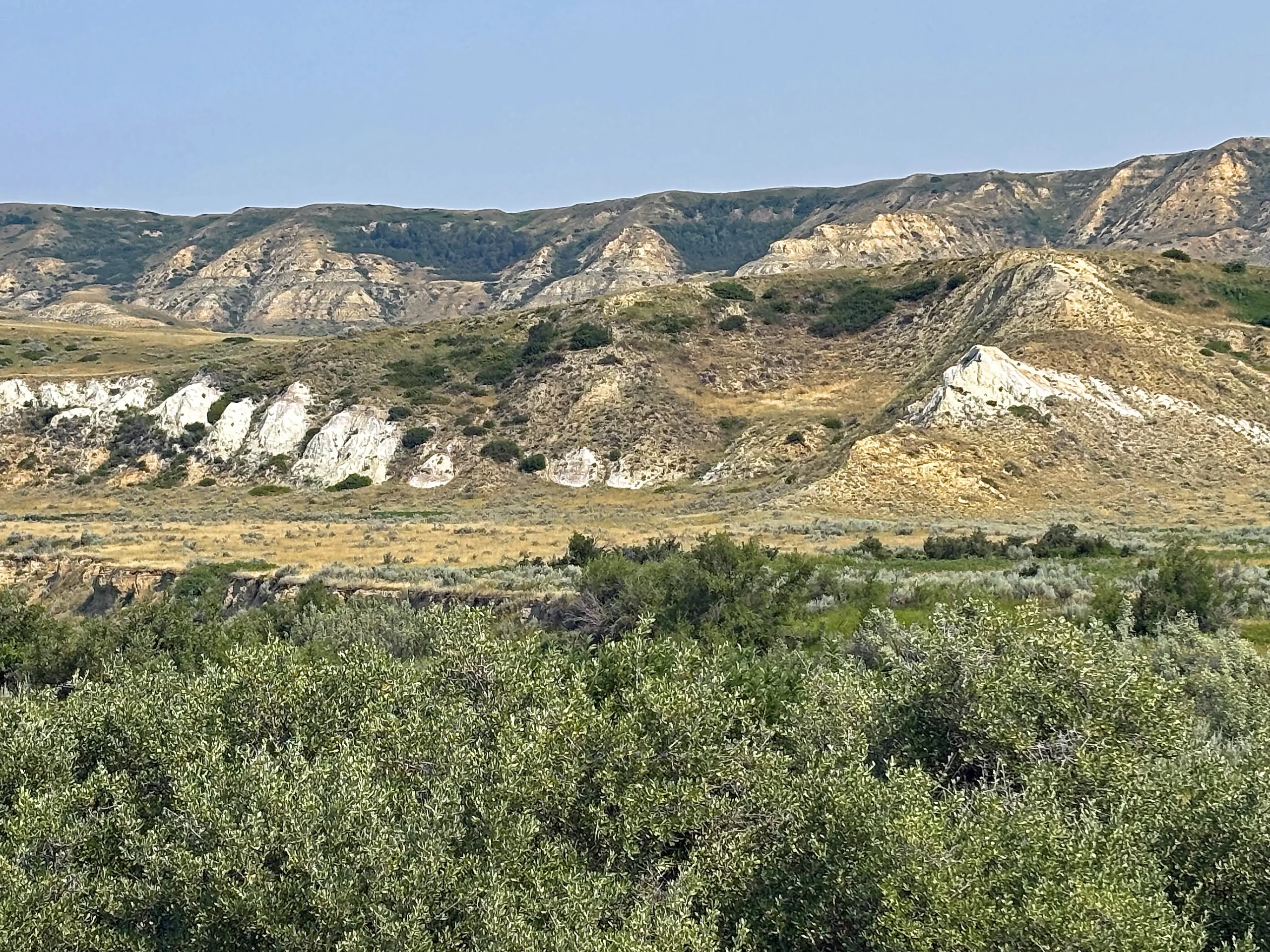
Born in the Cypress Hills and finding its way to the Mississippi is the Frenchman River, once called the White Mud because of the clay along its banks. This kaolinite formed layers of strata in the earth which are home to an incredible array of dinosaur remains, including the biggest T-Rex skeleton in Canada, now located in the nearby community of Eastend, Saskatchewan. The white mud plays a role in my novel!
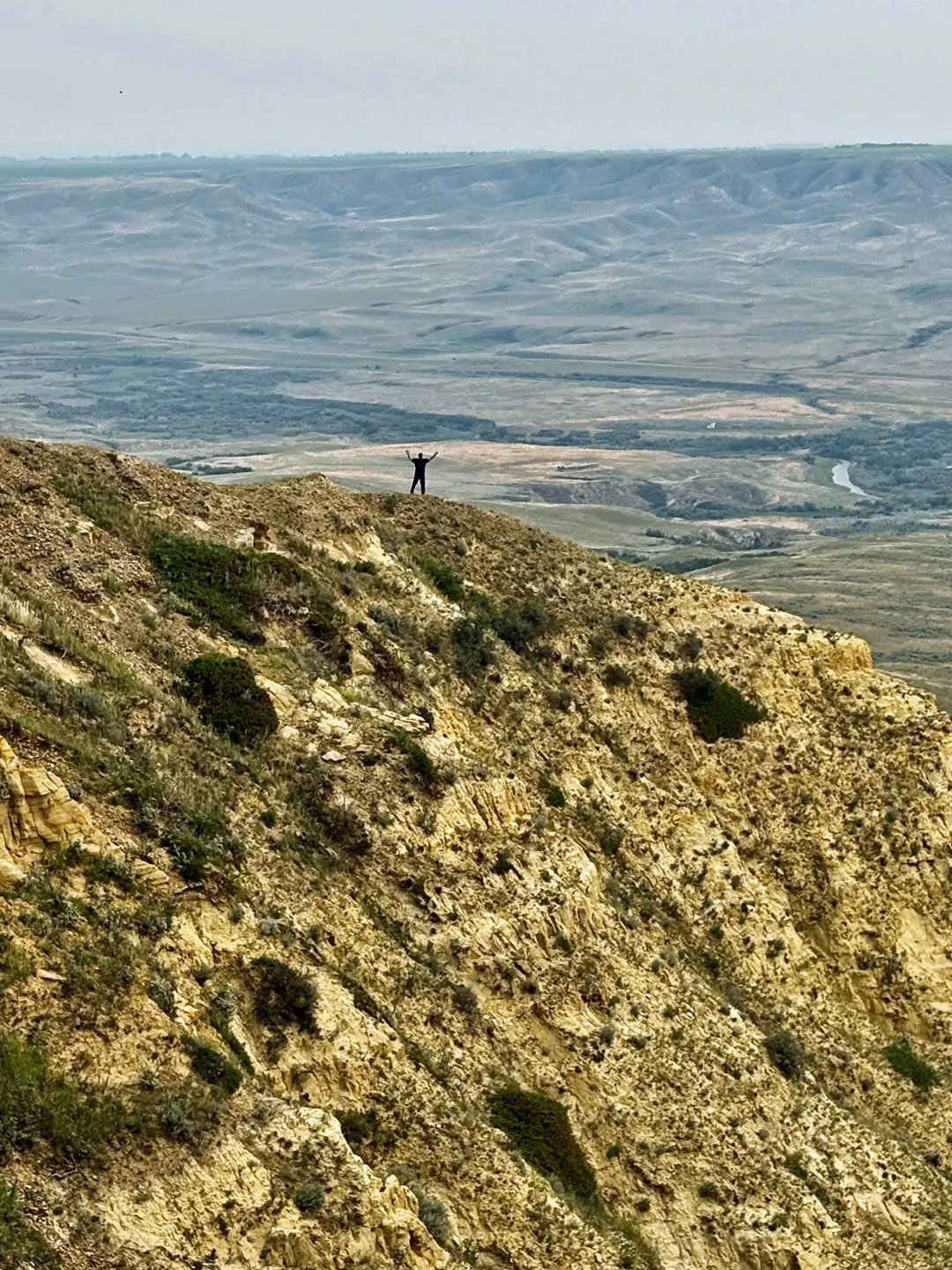
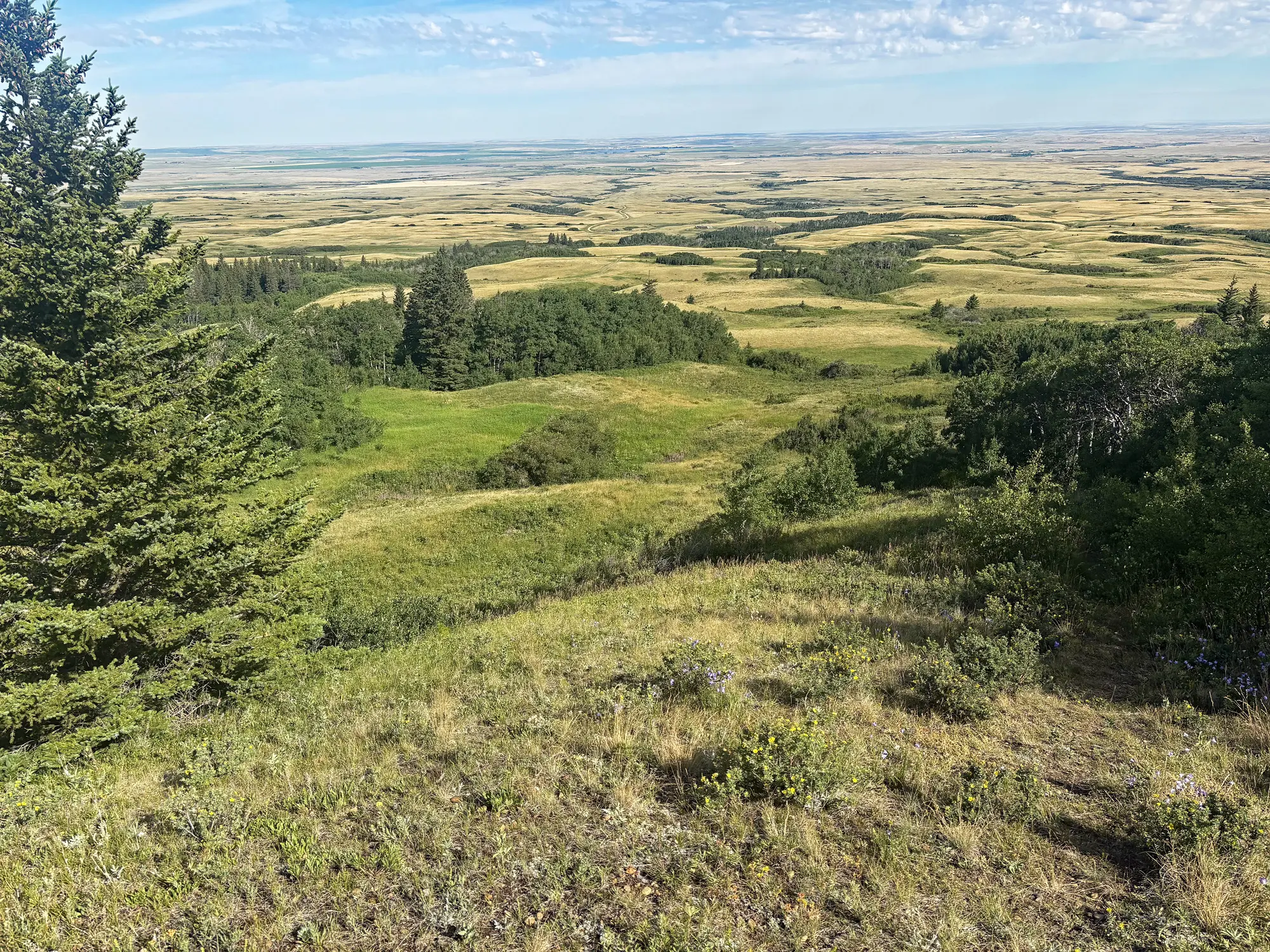
Contrary to popular opinion, the prairie is not all flat! Spectacular views like this one can be found by standing on Jones Peak, named after early pioneer and dinosaur bone collector Corky Jones, overlooking the Frenchman River valley.
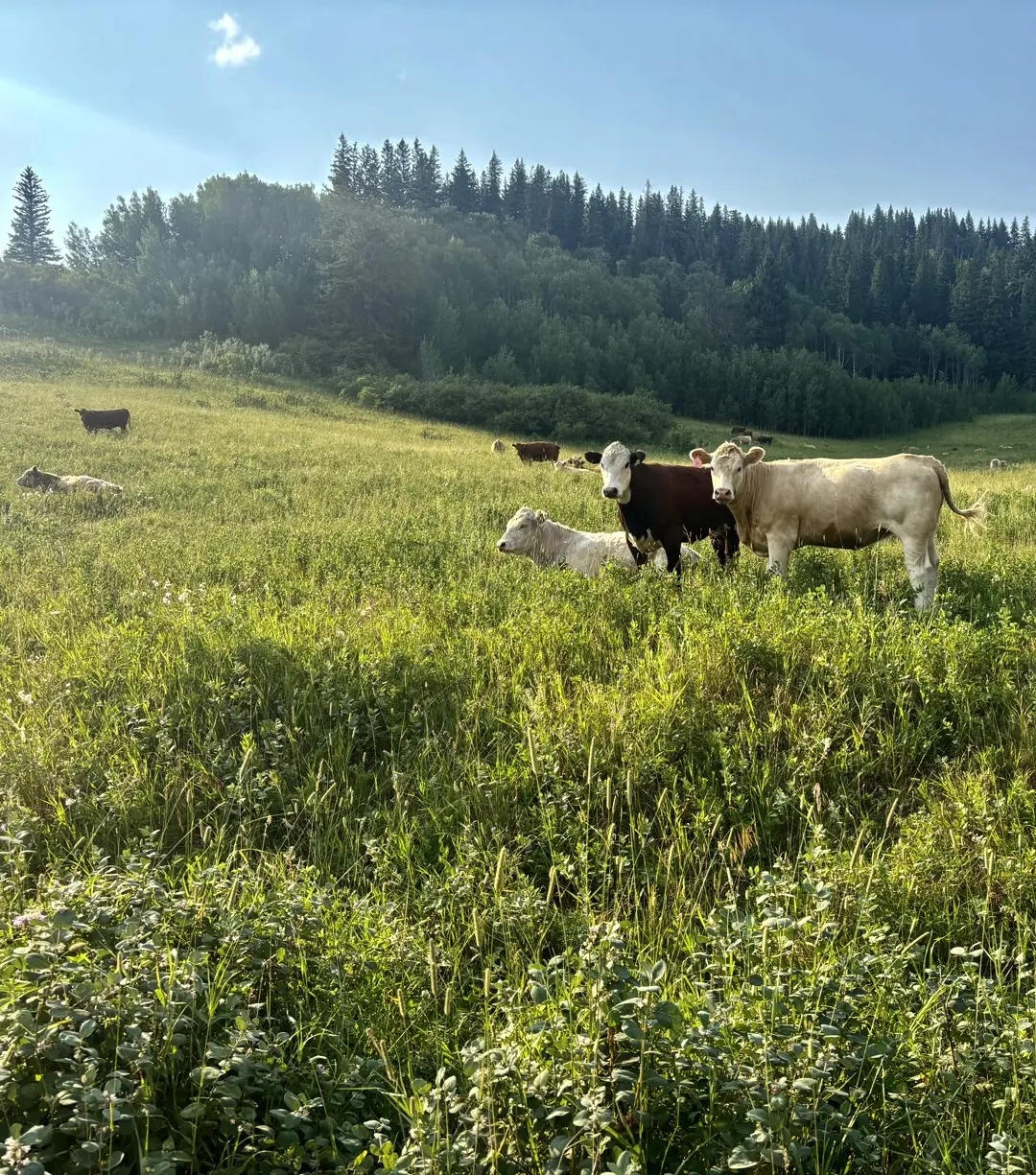
I set my novel in the southern prairie in 1890, when open range ranching was in its heyday (or hayday). The rich grass there is so hardy and nutritious that it once fed millions of buffalo, as tall as a cow’s belly.
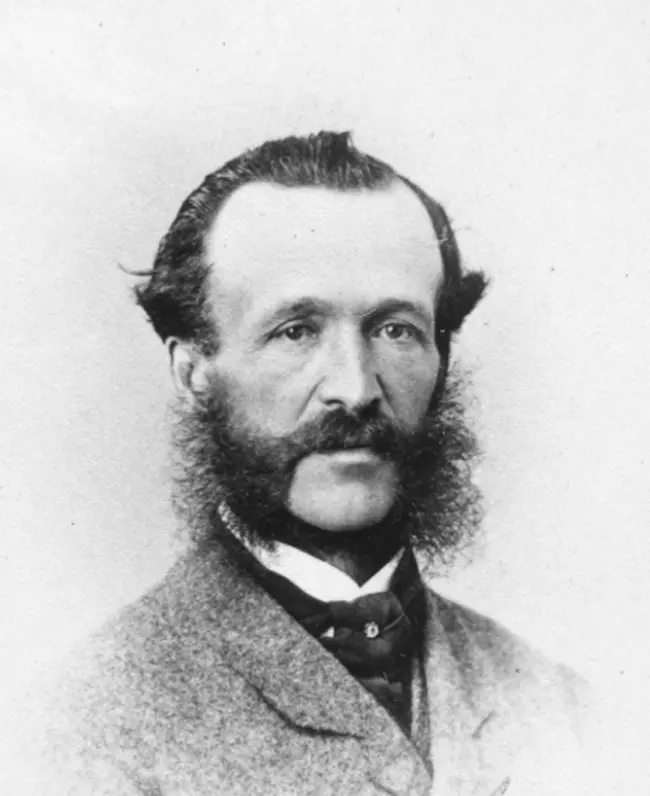
The first rancher was Matthew Cochrane, a livestock producer from the Eastern Townships of Quebec. He convinced his friend and prime minister John A. Macdonald to open the southern prairie for large-scale ranching and in 1882 signed the first open range lease for 100,000 acres at a cost of one cent per acre! Cochrane, Alberta is named after him. Immediately other British and American investors formed cattle companies and leased huge tracts of land.
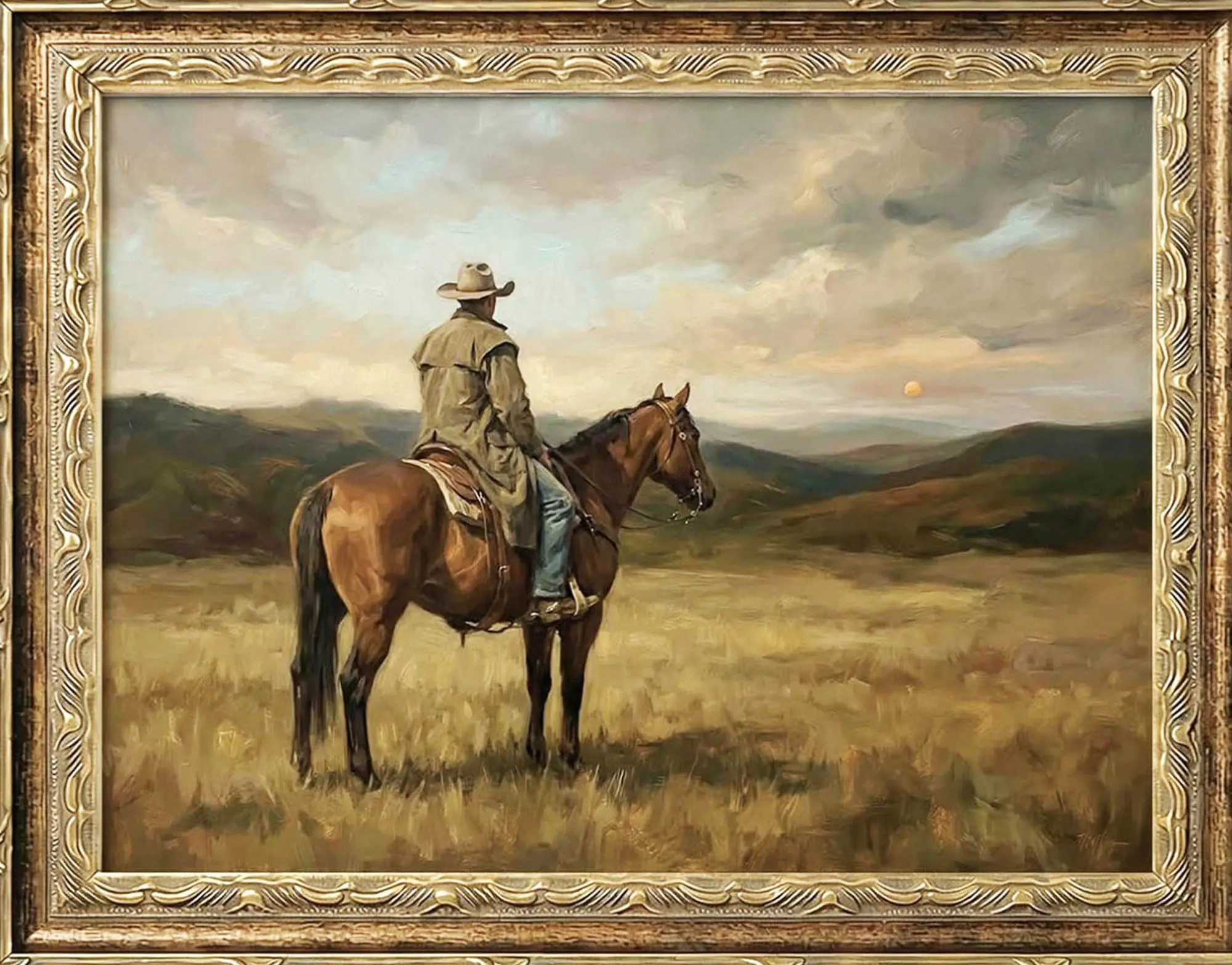
But where were the cattle to come from? They could not be shipped from Central Canada since there was no railway, and could not cross the Rocky Mountains to the west. So the owners hired American cowhands to “trail” the cattle across the border, from Montana and Colorado and other points to the south. Many of these American cowboys remained in Canada.
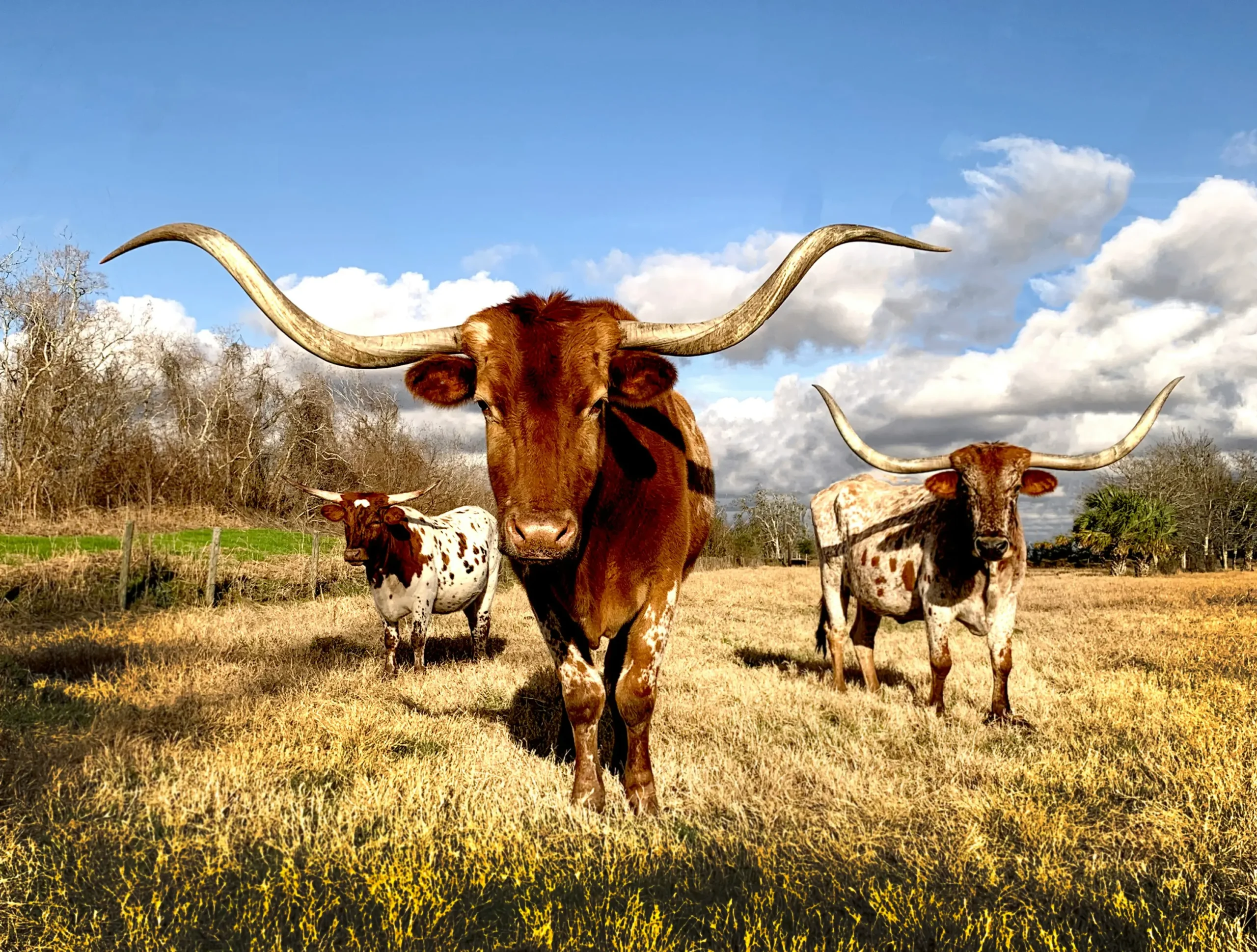
The first cattle to arrive in Western Canada were longhorns, mixed with other breeds. Longhorns were hardy, but they were also wild and skinny, so they were bred with Herefords and Angus to create better beef. Today longhorns are raised mainly as a hobby breed. Just look at those horns!
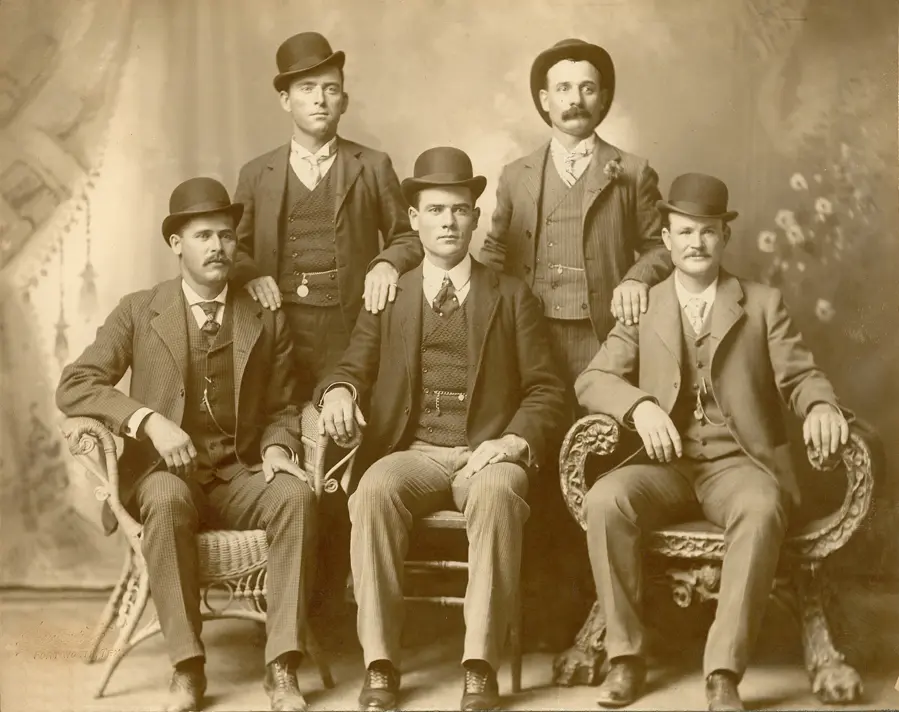
One of the American cowboys, famous for his ability to break horses, was the Sundance Kid, so-called because he had already served jail time n Sundance, Wyoming for theft. He worked at the Bar U Ranch in Alberta and briefly owned a saloon in Calgary. By all accounts he was very personable, but he “went to the bad” when he returned to the United States and joined Butch Cassidy’s gang called The Wild Bunch. He is immortalized in the movie Butch Cassidy and the Sundance Kid, in which he reveals his real name: Harry Longabaugh. The Kid is fictionalized in my novel.
This photo was taken after he joined The Wild Bunch. From left to right: Harry Longabaugh, Will Carver, Ben Kilpatrick, Harvey Logan, and Butch Cassidy.
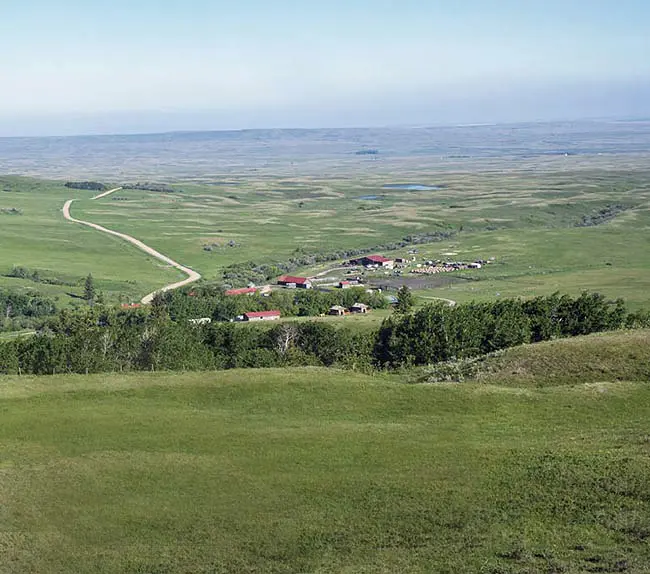
While doing my research, I stayed at the Historic Reesor Ranch, nestled into the Cypress Hills foothills. Operating continuously by the Reesor family since 1904, the ranch is a provincial historic site, available for paying guests. We slept in the beautifully restored farmhouse, but you can also rent one of the cabins on the property.
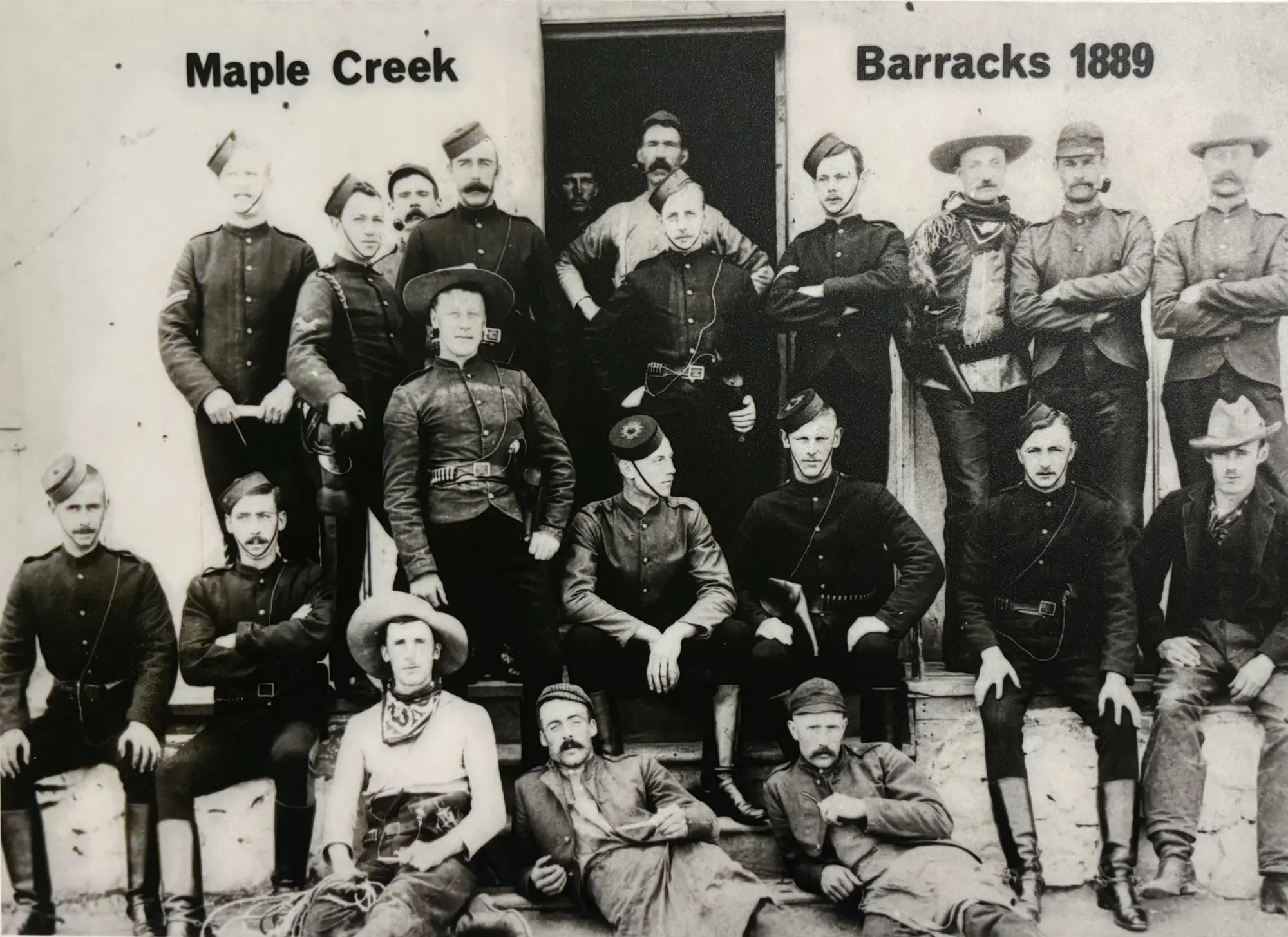
Although Grasslands is my fourth historical novel, it is the first one in which I have incorporated a murder mystery (although there were no serial killers on the prairie in 1890). In my novel, the fictional killer is hunted by the North-West Mounted Police stationed at Maple Creek, then located in the North-West Territories—and you know the Mounties always get their man!
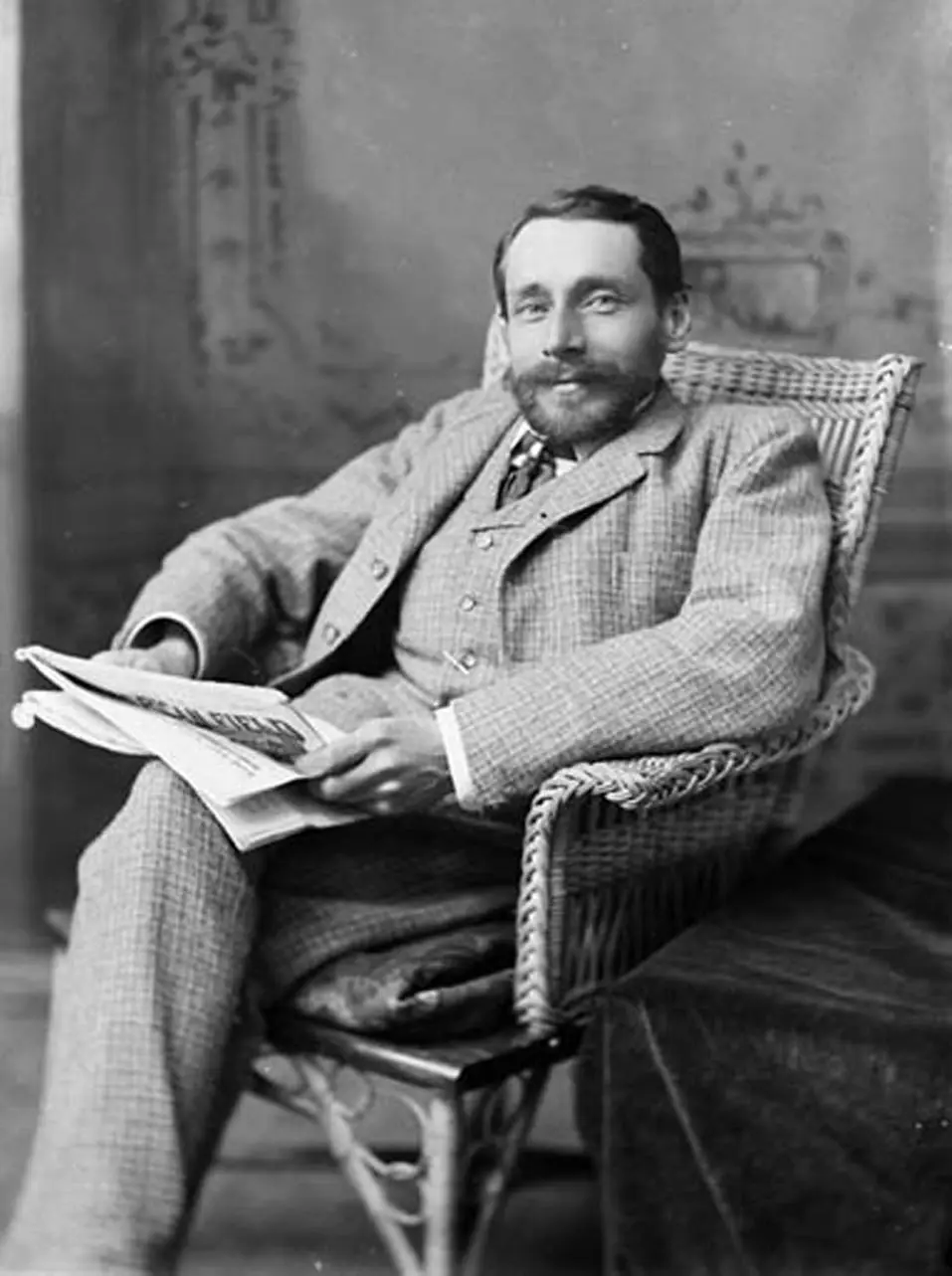
Among a cast of colourful historical figures, the most character I unearthed in my research was George Dawson. In spite of a childhood illness which left him with a deformed spine, he travelled across the prairie in 1874 with the North American Boundary Commission, and during that trip he discovered the very first dinosaur bone in Canada. I could not resist creating a fictional storyline for him in my novel.